Bitesize Health: A Simple Guide to Kids Nutrition
Let’s be honest: feeding kids is one of the most rewarding and yet challenging parts of parenting. Between ever changing appetites, hectic schedules, and the constant lure of sugary snacks, trying to maintain a “balanced diet” and feed them well can feel like a full-time job (you didn’t apply for).
The good news is that healthy habits don’t have to happen all at once. By focusing on “bitesize” changes, we can make nutrition feel manageable for us and fun for them. It’s about building a foundation of wellness, one meal or snack at a time, without the stress of perfection.
To help you get started, here are five simple ways to boost your child’s nutrition.
1. Eat the Rainbow
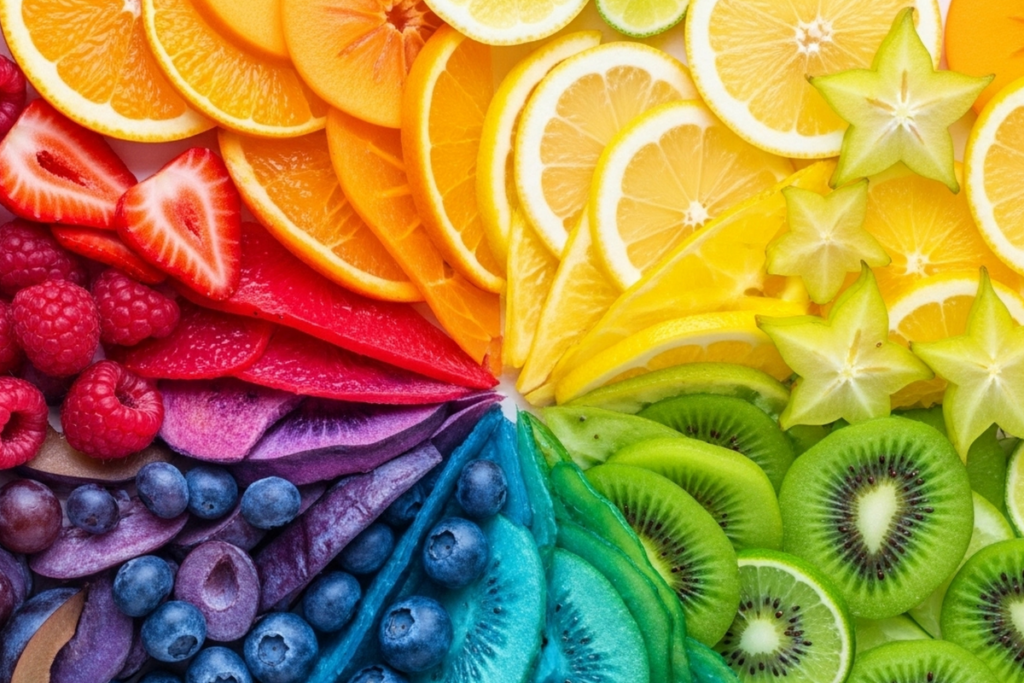
Encourage kids to fill their plates with a variety of colorful fruits and vegetables. Each color represents essential vitamins, minerals, and antioxidants. For example, orange for vitamin A and purple for heart healthy anthocyanins. Turning mealtimes and the plate into colorful artwork makes nutrition more like a visual game than a chore.
- Try this: Create a “Rainbow Chart” on the fridge where kids can check off a color once they’ve eaten it. If they hit all five colors in a week, they get to pick the next family movie!
2. The “Power” of Protein

- Focus on incorporating lean proteins like lean red meat, chicken or turkey, eggs, beans, or dairy into every meal. Protein provides the essential building blocks for growing muscles and helps keep blood sugar levels stable. This is the secret weapon for preventing “hangry” meltdowns and the dreaded “sugar crash” that often follows snack time.
- Why it works: Protein takes longer to digest than carbohydrates, meaning your child feels fuller for longer and has a steady stream of energy for school and sports.
3. Focus on Fiber for Fullness
Whole grains, beans, nuts, and seeds provide the fiber necessary for healthy digestion and long-lasting satiety. Swapping white bread for whole-grain versions or adding a teaspoon of chia seeds to a smoothie ensures they stay fueled for school and play.
- Sneaky Fiber: If your child is resistant to “brown” bread or pasta, try a “half-and-half” approach—mix white pasta with whole-wheat pasta until their palate adjusts to the heartier texture.
4. Smart Swaps for Sugar

It’s important to remember that it’s not realistic to cut out treats entirely—it’s about balance and moderation day to day. Instead of banning sweets, try “upgrading” them. Smart swaps for sugary kids’ treats focus on natural sweetness from fruits and using whole foods like whole grains, dairy, nuts, and seeds, along with water to cut down on added sugars.Small adjustments help reduce sugar intake without making your child feel like they are missing out on flavor.
The Swap:
- Breakfast: Swap processed cereals for oatmeal topped with fresh berries.
- Hydration: Trade sugary juice for water splashed with lemon or muddled fruit.
- Snack Time: Next time they call for candy, try offering fresh berries, apple slices, or bananas.
Pro Tip: Add a little more fun and nutrition by serving fruit with a side of nut butter for dipping. It adds protein and healthy fats, making the snack more satisfying!
5. Involve the “Sous Chefs”
Kids are much more likely to try new foods if they help prepare them. Let them wash the greens, stir the batter, or pick out a “mystery vegetable” at the grocery store to explore. Giving them a job in the kitchen builds a sense of ownership and replaces “I don’t like that” with “I made that!”
- Age-Appropriate Task: Toddlers can tear lettuce for salads, while older kids can learn to safely slice soft fruits or measure out ingredients for a smoothie.
The Big Picture: Progress Over Perfection
At the end of the day, remember that feeding kids doesn’t have to be perfect. You don’t have to fix fancy meals every night or have a child who loves kale on the first bite to be successful. Many parents find peace of mind in the 80/20 rule: if your kids are eating nutrient dense, whole foods about 80% of the time, the remaining 20% leaves room for fun foods and those busy “I’m too tired to cook” take out nights. By focusing on small, consistent “bitesize” wins, you are doing more than just filling tummies – you are helping your child build a healthy relationship with food that will last a lifetime. Pick one swap to try this week and celebrate the effort. You’ve got this!
To listen to Linda talk more on kid’s nutrition on Life 107.1, click here

Linda is our Registered Dietitian Nutritionist that uses a balanced approach to health and wellness, focusing on nutrition, movement, sleep, and connecting you with other appropriate health resources.
Linda understands and recognizes the courage needed to take the first step in caring for yourself and starting your own health and wellness journey. Learn more about Linda’s services like individual wellness and nutrition consultations, ministry and church wellness consultations, and group presentations here!