Mediterranean Diet 101: Foods, Benefits, and How to Get Started
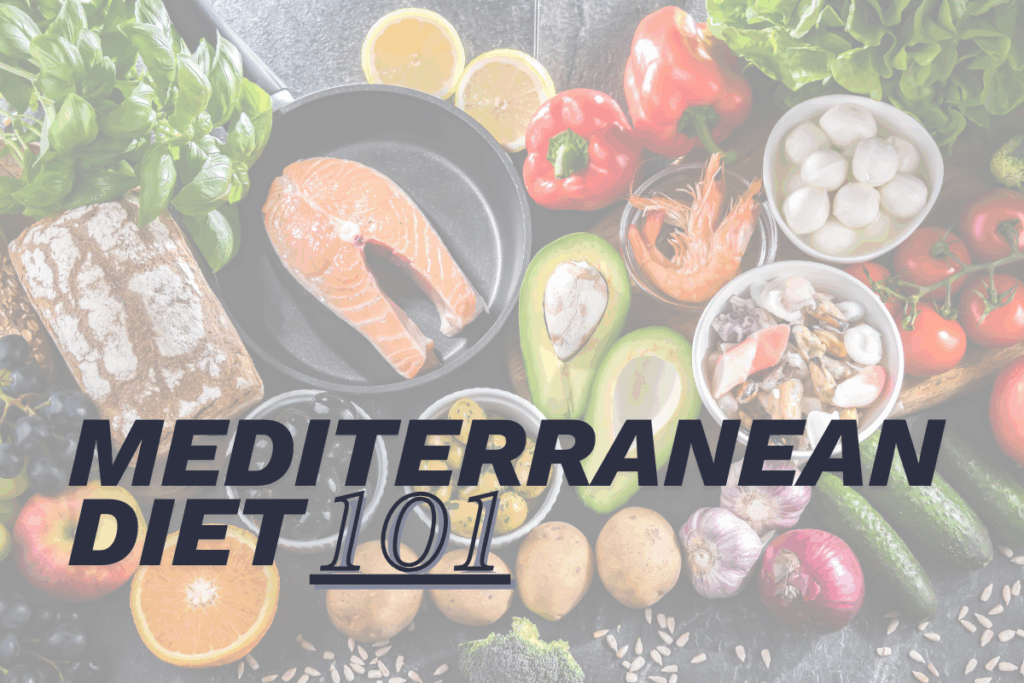
The Mediterranean diet is an eating pattern and lifestyle inspired by the traditional habits of countries along the Mediterranean Sea, such as Greece and Italy.
Despite its name, the Medi diet isn’t really a diet at all… it’s a flexible, health-promoting way of eating and drinking that aligns with an active, socially connected lifestyle.
Its staying power comes from how approachable it is: it’s easy to follow, full of delicious variety, adaptable to any location, and backed by extensive scientific research on its health benefits.
At its core, the Mediterranean diet emphasizes whole, plant-based foods like vegetables, fruits, whole grains, legumes, nuts, and seeds — all rich in essential vitamins, minerals, and fiber.
Key components of the Mediterranean eating pattern:
- Whole plant foods
- Healthy fats – olive oil is the main source and is used for cooking, dressing, and seasoning.
- Fish and seafood as a key source of protein and are typically eaten a few times a week.
- Poultry and dairy products like cheese and yogurt are consumed in moderate amounts.
- Red meat and sweets are limited.
- Discouraging highly processed foods, sugary drinks, and refined carbohydrates.
- A unique aspect of the pattern is the moderate consumption of red wine with meals – though this is not a requirement and should be avoided by non-drinkers.
- Highlighting the use of herbs and spices to flavor food instead of relying on salt and fat.
The Mediterranean pattern goes beyond food to incorporate a holistic lifestyle. Emphasizing socialization and enjoying meals with others and being physically active.
The combination of dietary pattern and lifestyle is associated with a wide range of health benefits including:
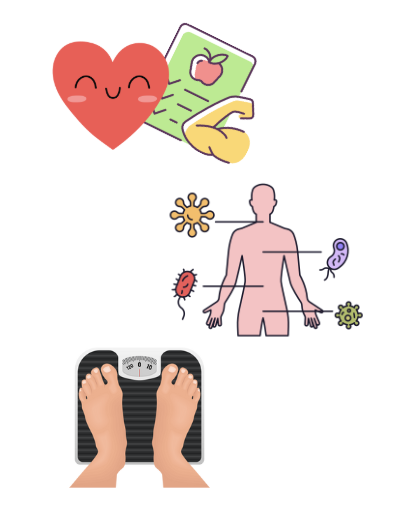
- Heart health – the high intake of healthy monounsaturated and poly unsaturated fats from olive oil and fish combined with a low intake of saturated fats and refined sugars is linked to a reduced risk of cardiovascular diseases, high blood pressure, and high cholesterol.
- Chronic disease prevention – studies show that following the Mediterranean pattern can lower the risk of developing type 2 diabetes, certain cancers, and cognitive decline.
- Weight management – while not a dedicated weight loss plan, the diet emphasis on fiber-rich whole foods and healthy fats can help with weight management over time.
- Mental well-being — The Medi diet is supported by strong scientific evidence showing it can enhance cognitive function now and lower the risk of Alzheimer’s and other neurodegenerative diseases later in life. Its emphasis on shared meals and an active lifestyle also supports better mental health and overall quality of life.
Incorporating the Mediterranean eating pattern and lifestyle is a powerful way to support your long-term health. The key is to view it as a flexible, sustainable approach rather than a strict, short-term diet. It’s about making small, lasting changes that lead to a healthier, more balanced life.
The foundation of the Medi diet is fresh whole foods. While no one food group is as important as following an overall healthy eating pattern. Here’s how to make small changes in your eating pattern.
- Build your meals around vegetables and fruits – aim to fill half of your plate with a variety of colorful vegetables and fruits.
- Prioritize healthy fats – use extra-virgin olive oil as your primary source of fat for cooking, baking, and dressing. It is a great replacement for butter and other saturated fats. Incorporate other sources of healthy fats like avocado, nuts and seeds.
- Choose whole grains – swap refined grains like white bread and pasta for whole grain options like whole wheat bread or pasta, brown/blac/wild rice, quinoa, barley, and farro.
- Eat more fish and legumes – aim for at least two servings of fish or seafood per week, particularly fatty fish like salmon, sardines, and mackerel which are rich in Omega -3’s. Incorporate beans, lentils, and chickpeas into your meals a few times a week as a source of plant based protein and fiber.
- Limit red meat and processed foods – think of red meat as a once-in-a-while treat, not a daily staple. Minimize your intake of processed foods, sugary drinks, and refined carbohydrates.
- Season with herbs and spices – swap out salt for flavor with fresh herbs and a variety of spices.
Adding just one small change to your eating pattern will yield results and lay the foundation for more changes.
Live the Life/Embrace the Lifestyle

The Mediterranean dietary eating pattern is a holistic approach to well-being that includes key lifestyle elements like:
- Be physically active – physical activity is a cornerstone of the Mediterranean lifestyle and can be as simple as taking a daily walk, gardening, or any activity that you enjoy.
- Savor and enjoy meals with others – Take time to sit down and enjoy meals with family and friends. This can help you eat more mindfully and build strong relationships.
- Drink in moderation(if at all) – moderate consumption of red wine with meals is a traditional part of the diet. However, it is not a requirement. If you don’t already drink, it is not recommended that you start.
- Cook at home – preparing your own meals allows you to control the ingredients and avoid high levels of sugar, salt, and unhealthy fats often found in restaurants and processed foods.
- Manage stress – the lifestyle encourages reducing stress through enjoyable activities and a relaxed approach to daily life.
Sample menu
There are many ways to incorporate the delicious foods of the Medi diet into your own eating routine. Here are a few examples to get you started:
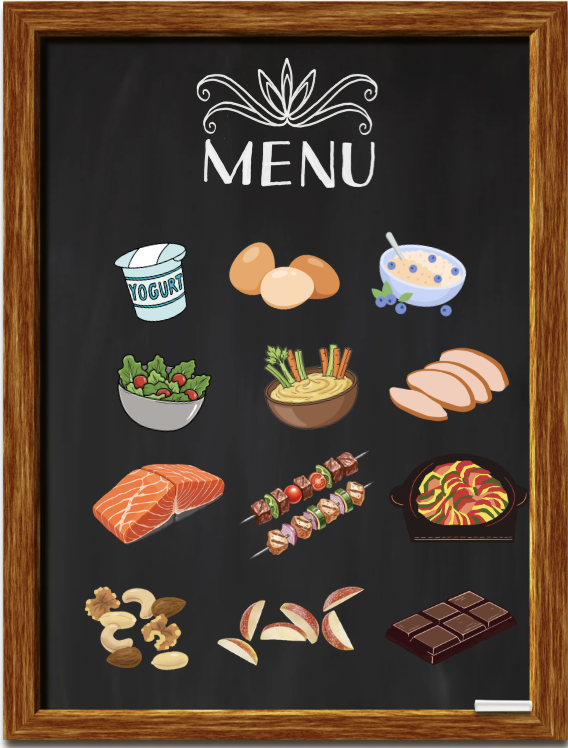
Breakfast
- Plain, non-fat Greek yogurt with berries, nuts, and a drizzle of honey
- Oatmeal with fresh fruit and ground flax seeds
- Egg white omelet with fresh seasonal veggies or scrambled eggs with sauteed spinach and a side of whole wheat toast.
Lunch
- Salad with leafy greens, tomato, cucumber, feta cheese, kalamata olives, grilled chicken &/or chickpeas dressed with lemon juice and olive oil.
- Whole wheat pita with hummus and a variety of veggies
- Whole grain pasta salad with fresh veggies and protein like fish, poultry, or beans.
Dinner
- Baked salmon with roasted asparagus and brown rice.
- Chicken kebabs with grilled bell peppers and onions served with quinoa and a salad
- Chicken stir-fried in olive oil with zucchini, yellow squash, peppers, onion, white beans and barley
Snacks
- Handful of nuts (almonds, walnuts, pistachios)
- Apple slices and nut butter
- Plain, non-fat greek yogurt and a piece of dark chocolate (70% or higher cacao)
For more Mediterranean recipes and cooking ideas visit: https://www.themediterraneandish.com/ (not affiliated)

Linda is our Registered Dietitian Nutritionist that uses a balanced approach to health and wellness, focusing on nutrition, movement, sleep, and connecting you with other appropriate health resources.
Linda understands and recognizes the courage needed to take the first step in caring for yourself and starting your own health and wellness journey. Learn more about Linda’s services like individual wellness and nutrition consultations, ministry and church wellness consultations, and group presentations here!